pc moving slow
Slow pc is the fastest way to regain speed computer clean up. When your pc moving slow becomes a daily frustration, productivity grinds to a halt. This sluggish performance typically stems from accumulated system clutter, outdated hardware configurations, or resource-hogging background processes. The good news: most slowdowns can be reversed without expensive upgrades.
A computer’s performance degradation rarely happens overnight. Understanding the root causes helps you implement targeted solutions rather than random fixes that waste time.
 Modern operating systems manage thousands of processes simultaneously. When system resources become constrained, the operating system relies heavily on virtual memory—using your hard drive as temporary RAM. This creates a bottleneck since even SSDs operate significantly slower than physical memory.
Microsoft’s telemetry data indicates that systems with less than 8GB RAM and mechanical hard drives experience the most severe performance degradation. The CPU must wait for data retrieval from storage, creating perceptible lag in every operation.
Modern operating systems manage thousands of processes simultaneously. When system resources become constrained, the operating system relies heavily on virtual memory—using your hard drive as temporary RAM. This creates a bottleneck since even SSDs operate significantly slower than physical memory.
Microsoft’s telemetry data indicates that systems with less than 8GB RAM and mechanical hard drives experience the most severe performance degradation. The CPU must wait for data retrieval from storage, creating perceptible lag in every operation.
Slow pc: Why Your PC Moving Slow Happens: The Technical Reality
Docs: Microsoft official slow PC guide.
Related: speed up computer.
Modern operating systems manage thousands of processes simultaneously. When system resources become constrained, the operating system relies heavily on virtual memory—using your hard drive as temporary RAM. This creates a bottleneck since even SSDs operate significantly slower than physical memory.
Microsoft’s telemetry data indicates that systems with less than 8GB RAM and mechanical hard drives experience the most severe performance degradation. The CPU must wait for data retrieval from storage, creating perceptible lag in every operation.
Resource Allocation and Process Priority
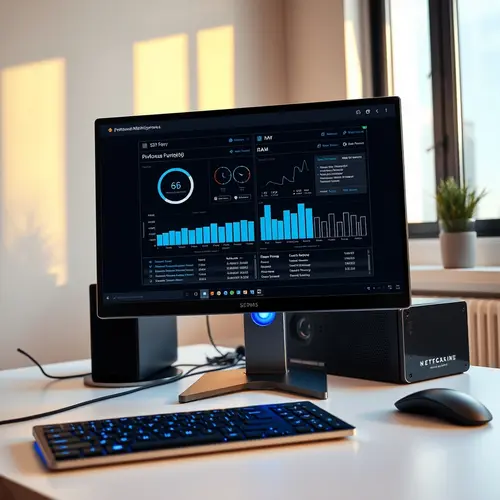
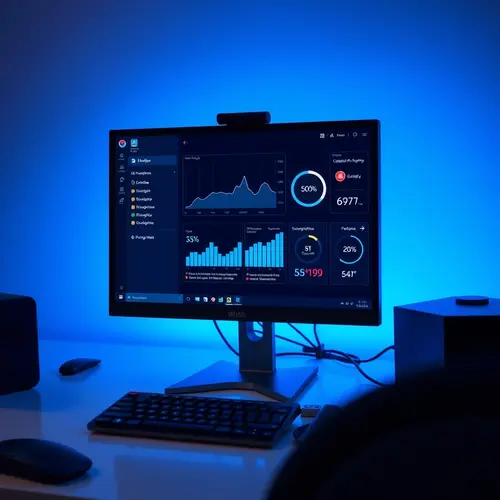
Windows Task Manager reveals the truth behind system slowdowns. Press Ctrl+Shift+Esc to access real-time performance metrics. Sort processes by CPU, memory, and disk usage to identify resource hogs. Many users discover that antivirus software, automatic updates, or indexing services consume significant resources during peak usage hours. According to performance benchmarks from Tom’s Hardware, real-time scanning can reduce system responsiveness by 15-30% on older hardware.Seven Core Solutions to Fix PC Moving Slow Issues
1. Eliminate Startup Program Overload
Every application that launches at boot extends your startup time and consumes background resources. Open Task Manager, navigate to the Startup tab, and disable non-essential programs. Communication tools, cloud sync services, and update checkers often auto-enable themselves without explicit permission. Disable everything except security software and hardware drivers initially. Re-enable programs selectively based on actual need.2. Upgrade to Solid State Storage
Replacing a mechanical hard drive with an SSD delivers the single most impactful performance improvement. Boot times drop from minutes to seconds. Application launches become nearly instantaneous. The performance differential exists because SSDs have no moving parts. Data access occurs electronically at speeds 10-100x faster than spinning platters. Even budget SATA SSDs transform system responsiveness.| Storage Type | Average Read Speed | Boot Time | Application Launch |
|---|---|---|---|
| HDD (7200 RPM) | 80-160 MB/s | 60-120 seconds | 5-15 seconds |
| SATA SSD | 500-550 MB/s | 10-20 seconds | 1-3 seconds |
| NVMe SSD | 3000-7000 MB/s | 8-15 seconds | Instant |
3. Increase Physical RAM Capacity
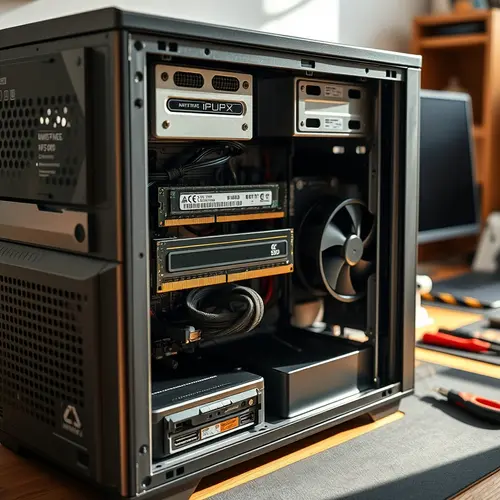
When your system constantly maxes out available memory, performance collapses. Modern browsers alone can consume 4-8GB with multiple tabs open. Add document editing, messaging apps, and background services—suddenly 8GB feels insufficient. Check current usage in Task Manager under the Performance tab. If memory consistently exceeds 80% utilization, an upgrade eliminates the pc moving slow symptom immediately. Most systems support 16-32GB, providing headroom for multitasking.4. Clean Temporary Files and System Cache
Windows accumulates gigabytes of temporary files, update caches, and installation remnants. This digital debris fragments storage and slows file operations. Use the built-in Disk Cleanup utility (cleanmgr.exe) to remove:- Temporary internet files and download caches
- Windows Update cleanup files
- Recycle Bin contents
- Thumbnail caches and temporary system files
- Old Windows installation files after major updates
5. Disable Visual Effects and Animations
Windows prioritizes aesthetics over performance by default. Transparency effects, animations, and shadows consume GPU resources constantly. Navigate to System Properties > Advanced > Performance Settings. Select “Adjust for best performance” or manually disable specific effects. Systems with integrated graphics see the most dramatic improvement.6. Run Malware and Virus Scans
Cryptominers, adware, and trojans deliberately consume system resources. They operate stealthily, avoiding obvious symptoms while degrading performance incrementally. Windows Defender provides baseline protection, but supplement with periodic scans using Malwarebytes or similar tools. The Cybersecurity & Infrastructure Security Agency recommends layered security approaches for comprehensive protection.7. Check Drive Health and Defragmentation Status
Mechanical drives require periodic defragmentation to maintain performance. Windows automatically schedules this maintenance, but manual optimization helps after major file operations. For SSDs, defragmentation is unnecessary and potentially harmful. Instead, ensure TRIM is enabled to maintain write performance over time. Use the command “fsutil behavior query DisableDeleteNotify” in Command Prompt—a result of 0 indicates TRIM is active.Advanced Troubleshooting for Persistent PC Moving Slow Problems
Thermal Throttling and Hardware Degradation
CPUs automatically reduce clock speeds when temperatures exceed safe thresholds. Dust accumulation in heatsinks and failing thermal paste cause gradual performance erosion. Download HWMonitor or similar utilities to track component temperatures under load. Sustained CPU temps above 85°C indicate cooling issues. Cleaning vents and reapplying thermal paste restores thermal headroom.Background Windows Services
Windows runs dozens of services regardless of user activity. Some prove unnecessary for typical workloads. Services like Windows Search, Superfetch, and Connected User Experiences consume resources without delivering proportional value. Exercise caution when disabling services. Research each service’s function before modification. Disabling critical system services can cause instability or feature loss.The RAM Disk Myth: Why It Doesn’t Solve Everything
Tech forums frequently recommend creating RAM disks to accelerate specific applications. While technically sound, this approach often backfires for average users. RAM disks allocate system memory as ultra-fast storage. The problem: you’re reducing available RAM for applications, potentially triggering the exact virtual memory bottleneck you’re trying to avoid. Unless you have 32GB+ and specific use cases (video editing cache, compile directories), RAM disks create more problems than they solve. This represents a common misconception where enthusiast solutions don’t translate to mainstream benefit. Focus on the fundamentals first.When Hardware Replacement Becomes Necessary
Software optimization has limits. Systems older than 7-10 years often lack the architectural foundation for modern workloads. DDR3 RAM, SATA II interfaces, and dual-core processors simply cannot deliver contemporary performance expectations. Budget $400-600 for a competent modern system, or $600-1000 for a configuration that remains relevant for 5+ years. Prioritize SSD storage, 16GB RAM, and quad-core processors as baseline specifications.Expert Opinion: The 80/20 Rule for System Performance
After troubleshooting thousands of slow systems, 80% of performance issues trace back to just three factors: insufficient RAM, mechanical storage, and startup program bloat. Address these fundamentals before exploring exotic optimizations. The remaining 20% involves malware, driver conflicts, or failing hardware. Systematic diagnosis always outperforms random fixes. Monitor Task Manager during slowdowns—the data tells you exactly where bottlenecks occur.Maintaining Long-Term Performance
Prevention requires less effort than remediation. Establish simple maintenance routines to avoid future pc moving slow scenarios:- Run Disk Cleanup monthly to prevent temporary file accumulation
- Review startup programs quarterly and remove unnecessary additions
- Update drivers and Windows patches during scheduled downtime
- Monitor Task Manager weekly to catch resource-hogging applications early
- Maintain 15-20% free space on your system drive for optimal performance
Users who slow pc regularly keep machines fast.
Users who slow pc regularly keep machines fast.
Users who slow pc regularly keep machines fast.
Users who slow pc regularly keep machines fast.
Users who slow pc regularly keep machines fast.
Users who slow pc regularly keep machines fast.
Users who slow pc regularly keep machines fast.
Users who slow pc regularly keep machines fast.
What causes sudden slowdowns?
Updates, heat, or full disks often cause it. Check task manager first. Cool and clean.
When is RAM the issue?
High memory use with few apps signals need. Check usage graphs. Upgrade if maxed.
Should we reset Windows?
Try tune-ups first. Reset keeps files as option. Back up fully before reset.
About the Author