computer is running slow
When your computer is running slow, it disrupts productivity and triggers frustration across every task you attempt. This comprehensive guide addresses the root causes behind sluggish performance and provides actionable solutions backed by system optimization principles used by IT professionals.
Why Your Computer Is Running Slow: The Technical Reality
Performance degradation stems from multiple interconnected factors. Hardware limitations combine with software bloat to create bottlenecks that compound over time.
Modern operating systems manage thousands of background processes simultaneously. When RAM allocation exceeds physical capacity, your system relies on virtual memory—swapping data to your storage drive at significantly reduced speeds. This creates the perception of a frozen or crawling interface.
Storage fragmentation plays a critical role in mechanical hard drives. As files split across non-contiguous sectors, read/write heads travel longer distances to retrieve data. Solid-state drives mitigate this through their architecture, yet they face performance drops when nearing capacity due to garbage collection overhead.
Critical Resource Bottlenecks
Identifying which component causes slowdowns requires systematic analysis. The three primary bottleneck sources include processor constraints, memory saturation, and storage I/O limitations.
Memory Saturation Indicators
RAM exhaustion manifests through specific symptoms. Applications take excessive time to launch. Switching between programs triggers delays. The system becomes unresponsive during routine operations.
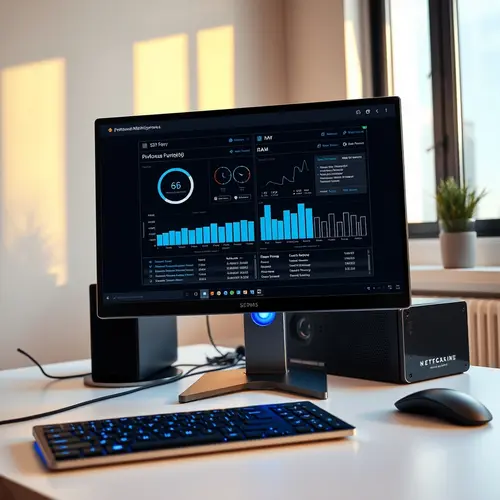
Windows Task Manager or macOS Activity Monitor reveals memory pressure metrics. When “committed memory” exceeds installed RAM, performance collapses. According to Microsoft’s system optimization guidelines, maintaining 20-30% free memory ensures responsive operation.
| RAM Amount | Recommended Usage | Performance Impact |
|---|---|---|
| 4GB | Basic web browsing only | Severe slowdown with multiple tabs |
| 8GB | Standard productivity tasks | Adequate for office applications |
| 16GB+ | Professional workflows | Smooth multitasking capability |
Startup Program Overload
Excessive startup entries drain system resources before you begin working. Many applications configure themselves to launch automatically without user consent. This legacy behavior dates back to software distribution strategies that prioritized visibility over performance.
Disabling unnecessary startup items delivers immediate improvements. Navigate to system configuration tools and selectively disable non-essential programs. Keep security software and critical drivers enabled while removing promotional updaters and redundant utilities.
7 Expert Fixes When Your Computer Is Running Slow
1. Storage Optimization Strategy
Free disk space directly impacts system performance. Maintain at least 15% available capacity on your primary drive. Remove temporary files through built-in cleanup utilities or trusted third-party tools.
Uninstall abandoned applications completely. Leftover configuration files and registry entries accumulate over years of software installation cycles. Use proper uninstallation procedures rather than simple file deletion.
2. Background Process Management
Monitor CPU and memory consumption patterns. Identify resource-intensive processes that operate continuously without justification. Browser tabs containing media-rich content consume surprising amounts of memory—each active tab functions as a separate process.
Cloud synchronization services often trigger excessive disk activity. Configure these to operate during idle periods or limit simultaneous file operations.
3. Malware and Bloatware Elimination
Unwanted software degrades performance through persistent background operations. Adware, browser hijackers, and potentially unwanted programs consume cycles scanning activity and displaying advertisements.
Perform thorough scans using reputable security software. The National Institute of Standards and Technology recommends layered security approaches combining real-time protection with periodic deep scans.
4. Operating System Maintenance
System updates include performance optimizations and driver improvements. Enable automatic updates to receive patches addressing known inefficiencies. Outdated drivers cause compatibility issues that manifest as system-wide slowdowns.
Graphics drivers particularly impact visual responsiveness. Manufacturers release optimized versions that leverage hardware capabilities more efficiently.
5. Hardware Upgrade Pathways
Strategic component upgrades extend system lifespan cost-effectively. Installing an SSD as the primary drive delivers transformative performance gains—boot times drop from minutes to seconds, application launches become nearly instantaneous.
RAM expansion proves more economical than complete system replacement. Doubling memory capacity often resolves persistent slowdown issues for under $100.
6. Browser Optimization Techniques
Web browsers accumulate cache data, cookies, and extension overhead. Clear browsing data periodically and audit installed extensions. Each extension adds processing overhead and potential security vulnerabilities.
Disable or remove extensions you rarely utilize. Keep only those providing essential functionality for your workflow.
7. Power Settings Adjustment
Power-saving modes throttle processor speeds to conserve energy. Switch to balanced or high-performance power plans when maximum responsiveness matters. This particularly affects laptops operating on battery power where aggressive power management reduces performance.
Advanced Diagnostic Approaches
When basic fixes fail to resolve issues where your computer is running slow, deeper investigation becomes necessary. Event Viewer logs reveal system errors and warnings indicating hardware failures or driver conflicts.
Temperature monitoring tools detect thermal throttling—when components reduce speed to prevent overheating. Dust accumulation blocks ventilation, causing processors and graphics cards to operate at reduced frequencies.
The Myth of Registry Cleaners
Registry cleaning utilities promise performance improvements through removing orphaned entries. This represents outdated optimization thinking. Modern operating systems handle registry inefficiencies without user intervention. These tools introduce risk without measurable benefit—Microsoft explicitly advises against registry cleaning for performance purposes.
Prevention Through Maintenance Habits
Establishing routine maintenance prevents gradual performance erosion. Schedule monthly cleanup sessions addressing temporary files, startup programs, and software inventory.
- Review installed applications quarterly and remove unused software
- Restart your system weekly to clear memory leaks and refresh system services
- Monitor storage capacity and archive old files to external drives
- Verify antivirus definitions update automatically
- Document baseline performance metrics for comparison
Professional Perspective on System Longevity
Hardware lifespan expectations vary by component type. Storage devices and power supplies fail predictably over time. SSDs have finite write cycles, though typical usage patterns yield 5-10 years of service.
Capacitors in power supplies degrade gradually, introducing voltage instability that causes seemingly random system behavior. This manifests as slowdowns, crashes, and file corruption before complete failure occurs.
Mechanical hard drives experience bearing wear and magnetic degradation. SMART monitoring tools report drive health metrics including reallocated sectors and spin-up time increases—early warning indicators of impending failure.
When Software Reinstallation Makes Sense
Operating system reinstallation eliminates accumulated cruft from years of software installations and configuration changes. This nuclear option restores factory-fresh performance but requires backing up personal data and reinstalling applications.
Consider this approach when your computer is running slow despite implementing targeted fixes. Fresh installations remove corrupted system files, conflicting drivers, and deeply embedded malware that evades standard removal tools.
Long-Term Performance Strategy
Sustainable system performance requires balancing resource consumption against functional needs. Resist installing every appealing utility or browser extension. Each addition extracts performance costs through background operations and system integration hooks.
Evaluate new software against strict criteria: Does this solve a specific problem? What resources does it consume? Are there lighter alternatives? This disciplined approach maintains system responsiveness over years of use.
Addressing issues when your computer is running slow combines immediate tactical fixes with strategic maintenance habits. Understanding underlying bottlenecks enables targeted interventions rather than shotgun troubleshooting. The solutions outlined here provide actionable pathways to restored performance based on fundamental computing principles that remain valid regardless of specific hardware configurations or operating system versions.
About the Author