computer clean up
Computer clean up is the fastest way to regain speed make Windows faster. A sluggish machine draining your productivity? Computer clean up is the systematic process of removing unnecessary files, optimizing system resources, and eliminating malware to restore your device to optimal performance. This maintenance routine addresses accumulated digital clutter that degrades speed, security, and reliability over time.
Every system accumulates digital debris. Temporary files, outdated software remnants, and fragmented data consume valuable storage and processing power.
The impact is measurable. According to benchmarks from major hardware manufacturers, systems with less than 15% free storage experience up to 50% slower file access times. Registry bloat and startup program accumulation compound these issues exponentially.
 Performance degradation happens gradually. Users often adapt to slower boot times and application lag without recognizing the underlying cause.
The technical reality is straightforward. Operating systems create temporary cache files during normal operation. These files serve immediate processing needs but rarely self-delete. Over months, gigabytes of redundant data accumulate in system directories.
Security vulnerabilities multiply with neglect. Outdated software contains known exploits. The Cybersecurity and Infrastructure Security Agency consistently reports that unpatched applications represent primary attack vectors for malicious actors.
Performance degradation happens gradually. Users often adapt to slower boot times and application lag without recognizing the underlying cause.
The technical reality is straightforward. Operating systems create temporary cache files during normal operation. These files serve immediate processing needs but rarely self-delete. Over months, gigabytes of redundant data accumulate in system directories.
Security vulnerabilities multiply with neglect. Outdated software contains known exploits. The Cybersecurity and Infrastructure Security Agency consistently reports that unpatched applications represent primary attack vectors for malicious actors.
Why Regular Computer Clean Up Matters for System Health
Note: computer clean up works best after a fresh restart.
Docs: Microsoft official disk cleanup guide.
Related: boost PC performance.
Performance degradation happens gradually. Users often adapt to slower boot times and application lag without recognizing the underlying cause.
The technical reality is straightforward. Operating systems create temporary cache files during normal operation. These files serve immediate processing needs but rarely self-delete. Over months, gigabytes of redundant data accumulate in system directories.
Security vulnerabilities multiply with neglect. Outdated software contains known exploits. The Cybersecurity and Infrastructure Security Agency consistently reports that unpatched applications represent primary attack vectors for malicious actors.
Physical vs. Digital Computer Clean Up Protocols
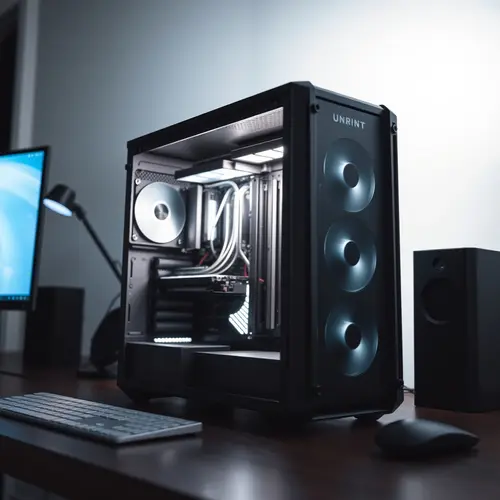
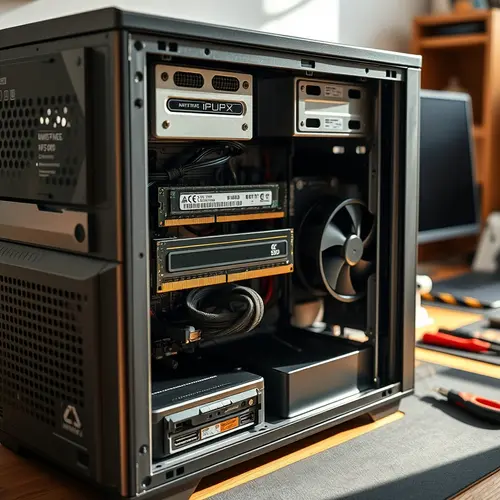
Physical maintenance addresses hardware components. Dust accumulation inside chassis reduces airflow, causing thermal throttling. Heat sinks clogged with particulate matter force processors to reduce clock speeds for thermal protection. Digital cleanup targets software layers. This includes removing unnecessary applications, clearing browser caches, and optimizing storage allocation. Both approaches work synergistically for comprehensive system maintenance.The Seven-Stage Computer Clean Up Framework
Professional technicians follow systematic protocols. This structured approach prevents data loss while maximizing efficiency gains.Stage One: Inventory and Assessment
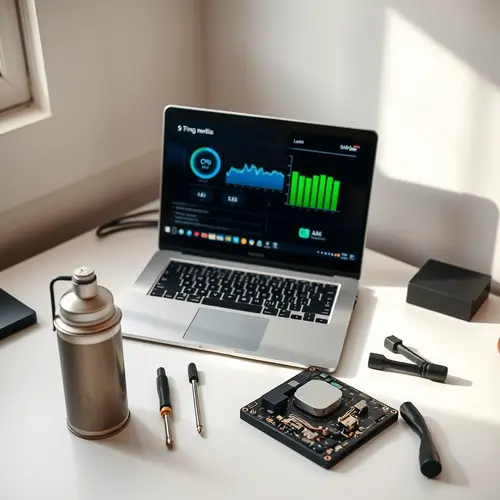
Document current system state before making changes. Run disk analyzer utilities to visualize storage consumption patterns. Tools like WinDirStat or DaisyDisk reveal which directories consume disproportionate space. Check installed program lists. Applications installed years ago often run background processes consuming RAM and CPU cycles. Identify candidates for removal based on last-use dates and resource footprint.Stage Two: Secure Data Backup
Never skip backup procedures. Even routine maintenance carries risk of accidental deletion or system instability. Follow the 3-2-1 backup rule: three copies of data, two different media types, one offsite location. Cloud storage services and external drives provide redundancy layers that protect against hardware failure during cleanup operations.Stage Three: Uninstall Redundant Software
Bloatware and trial software accumulate over device lifetime. Each application leaves registry entries, configuration files, and background services that persist after casual deletion. Use dedicated uninstaller utilities rather than built-in Windows removal tools. Programs like Revo Uninstaller scan for leftover files and registry keys that standard uninstallers miss. This thoroughness prevents phantom processes and incomplete removals.Stage Four: System File and Cache Clearance
Operating systems include built-in cleanup utilities. Windows Disk Cleanup and macOS Storage Management offer safe removal of temporary files, system caches, and old update packages. Browser caches deserve special attention. Chrome, Firefox, and Edge store gigabytes of cached images, scripts, and cookies. Clearing these repositories improves browser responsiveness and resolves many webpage loading issues.| Cleanup Target | Typical Space Recovered | Performance Impact |
|---|---|---|
| Temporary Files | 2-10 GB | Moderate boot speed improvement |
| Browser Cache | 1-5 GB | Faster page loading |
| Old System Restore Points | 5-20 GB | Increased available storage |
| Unused Applications | 10-50 GB | Reduced background processes |
| Duplicate Files | 5-15 GB | Better file organization |
Stage Five: Malware Scanning and Removal
Threats hide in unexpected locations. Adware, spyware, and potentially unwanted programs masquerade as legitimate software. These parasitic applications consume resources while harvesting personal data. Run comprehensive scans using reputable antimalware tools. Microsoft Defender provides baseline protection, but specialized scanners like Malwarebytes detect threats that generic antivirus misses. Perform full system scans rather than quick scans for thorough coverage.Stage Six: Disk Defragmentation and Optimization
Hard disk drives benefit from defragmentation. File fragmentation occurs when data scatters across non-contiguous sectors. Defragmentation reorganizes files for sequential access, reducing mechanical head movement and improving read times. Solid-state drives require different treatment. Never defragment SSDs. Instead, run TRIM commands to mark deleted data blocks for reuse. Modern operating systems handle this automatically, but manual TRIM execution ensures optimal SSD performance.Stage Seven: Startup Optimization
Boot times directly correlate with startup program count. Task Manager’s Startup tab reveals which applications launch automatically. Disable non-essential programs to accelerate boot sequences. Services running in the background consume resources invisibly. Msconfig and Services.msc provide granular control over which system services run at startup. Exercise caution when disabling services to avoid breaking system functionality.Advanced PC cleanup Techniques for Power Users
Registry cleaning remains controversial among technicians. The Windows registry stores configuration data for applications and system components. Accumulated orphaned entries theoretically slow registry queries. The practical impact is minimal. Microsoft engineers have stated that registry bloat causes negligible performance degradation on modern hardware. Registry cleaners carry risk of deleting critical keys, potentially causing system instability or boot failure. If you choose registry cleaning, create full system backups first. Use conservative cleaning settings and avoid automated deep cleaning modes that delete entries aggressively.Debunking the RAM Cleaner Myth
RAM optimizer applications promise to “free up memory” and boost performance. This represents a fundamental misunderstanding of memory management. Operating systems manage RAM efficiently. When applications close, the OS reclaims their memory allocations. Unused RAM provides no benefit. Modern systems use available RAM for disk caching, which accelerates file access. RAM cleaners force data from memory to disk, creating artificial slowdowns. They solve non-existent problems while introducing real performance penalties. Avoid these applications entirely.Preventive Maintenance and Automation Strategies
Scheduled maintenance prevents emergency interventions. Set recurring reminders for monthly computer clean up sessions. Consistency prevents the severe degradation that requires extensive remediation. Automation reduces manual burden. Built-in schedulers run cleanup tasks during idle periods. Windows Storage Sense automatically deletes temporary files when storage thresholds are reached. macOS optimizes storage by moving infrequently accessed files to cloud storage. Configure automatic updates for operating systems and applications. Security patches close vulnerabilities before exploitation. Feature updates include performance optimizations and compatibility improvements.Expert Opinion: The Overlooked Power User Directory
Most cleanup guides overlook the AppData directory on Windows systems. This hidden folder contains application data, configuration files, and cached content for every installed program. Browse to %AppData% and examine folder sizes. Games often store gigabytes of cached assets here. Uninstalled applications frequently leave entire directories behind. Manual review reveals significant space recovery opportunities that automated tools miss. Exercise care when deleting AppData contents. Remove only folders for applications you’ve already uninstalled. Deleting active application data causes settings loss and potential instability.Critical Steps for Safe PC cleanup Execution
Documentation protects against mistakes. Screenshot current system settings before modification. Record which programs you remove and which startup items you disable. This documentation enables quick reversal if problems arise. Test system stability after major changes. Restart multiple times to verify clean boot behavior. Launch frequently-used applications to confirm functionality. Monitor system resource usage through Task Manager to validate performance improvements.- Create restore points before removing malware or modifying system files
- Backup irreplaceable personal data to external storage or cloud services
- Verify free space increases after cleanup operations complete
- Check startup program list to confirm disabled items remain disabled
- Run benchmark utilities to quantify performance improvements
- Update all drivers after major cleanup to ensure compatibility
- Test internet connectivity and network file access
- Confirm antivirus protection remains active and updated
When Professional Intervention Becomes Necessary
Some situations exceed DIY capabilities. Persistent malware infections that survive multiple removal attempts require professional forensic analysis. Boot failures after cleanup attempts need specialized recovery tools and expertise. Hardware failures masquerade as software problems. A failing hard drive causes system slowdowns identical to software bloat. Bad RAM modules create instability that no amount of computer clean up resolves. Professional diagnostics distinguish between hardware and software issues. Data recovery services become essential when critical files disappear during cleanup. Professional recovery labs operate in clean room environments with specialized tools for retrieving data from damaged drives.Long-Term System Hygiene Practices
Prevention beats remediation. Adopt habits that minimize future cleanup requirements. Install applications selectively. Every program adds potential maintenance burden. Evaluate whether web-based alternatives meet your needs before installing desktop software. Browser-based tools leave minimal system footprint. Manage downloads systematically. Designate specific folders for different file types. Delete downloaded installers after application installation completes. Clear download folders monthly to prevent accumulation. Monitor storage consumption trends. Set up alerts when free space drops below safe thresholds. Proactive monitoring prevents emergency situations where system instability forces hasty cleanup decisions.Maximizing the Benefits of Regular PC cleanup
Performance gains manifest across multiple dimensions. Faster boot times improve daily workflow efficiency. Responsive applications reduce frustration during multitasking. Extended battery life on laptops results from reduced background processing overhead. Security posture strengthens with each maintenance cycle. Removing outdated software eliminates potential exploit pathways. Updated applications incorporate latest security patches. Clean systems provide fewer attack surfaces for malicious actors. Systematic computer clean up extends hardware lifespan by reducing thermal stress and storage wear. Devices maintained properly deliver reliable performance for years beyond typical replacement cycles. This maintenance discipline translates directly into cost savings and reduced electronic waste.Users who computer clean up regularly keep machines fast.
Users who computer clean up regularly keep machines fast.
Users who computer clean up regularly keep machines fast.
Users who computer clean up regularly keep machines fast.
Users who computer clean up regularly keep machines fast.
Regular routines to computer clean up keep boot times short.
What should we delete first?
Clear temp files and downloads. Uninstall unused apps. Empty recycle bins last.
How do we stay safe?
Back up key files before deletes. Use built-in tools. Avoid unknown cleaners.
How long does it take?
Most cleanups run under an hour. Large drives take longer. Schedule monthly runs.
About the Author