Mac faster
Make Mac faster: Why Your Mac Faster Performance Matters
Note: make Mac faster works best after a fresh restart.
Docs: Apple official Mac performance guide.
Related: computer clean up.
 Performance degradation isn’t just frustrating—it costs you productivity. When your system takes 30 seconds to open applications or freezes during critical tasks, you’re losing valuable time. Apple’s macOS is designed for efficiency, but without proper maintenance, even premium hardware struggles under the weight of background processes, cache buildup, and fragmented storage.
Understanding the root causes of slowdowns helps you target the right fixes. Most performance issues stem from RAM overconsumption, startup item bloat, or outdated software that conflicts with system resources.
Performance degradation isn’t just frustrating—it costs you productivity. When your system takes 30 seconds to open applications or freezes during critical tasks, you’re losing valuable time. Apple’s macOS is designed for efficiency, but without proper maintenance, even premium hardware struggles under the weight of background processes, cache buildup, and fragmented storage.
Understanding the root causes of slowdowns helps you target the right fixes. Most performance issues stem from RAM overconsumption, startup item bloat, or outdated software that conflicts with system resources.
Clear System Cache and Temporary Files
Your Mac stores temporary files in several cache directories to speed up repeated tasks. Over months of use, these caches balloon to gigabytes of wasted space. Navigate to~/Library/Caches and manually delete folders from applications you no longer use. System caches live in /Library/Caches and can be cleared similarly, though exercise caution with system-level files.
For a safer approach, use Terminal commands to target specific cache types. The command sudo periodic daily weekly monthly runs macOS maintenance scripts that clean logs and temporary files. Restart your Mac afterward to see immediate improvements in responsiveness.
Mac Faster – How to Mac Faster Through Storage Optimization
Full storage drives cripple performance because macOS needs free space for virtual memory operations. Click the Apple menu, select About This Mac, then Storage to visualize what’s consuming space. Large files like old iOS backups, duplicate photos, and unused applications are common culprits. Enable Optimize Storage in System Preferences to automatically offload files to iCloud. Remove language packs you don’t need using third-party tools or Terminal commands. A general rule: keep at least 15% of your drive free for optimal performance.Manage Startup and Login Items
Every application that launches at startup delays your boot time and consumes RAM. Open System Preferences, navigate to Users & Groups, then Login Items. Remove any application you don’t need immediately upon starting your Mac. Common offenders include cloud sync services, menu bar utilities, and update checkers. Background agents continue running even when you don’t see them. Check Activity Monitor regularly to identify hidden processes. Sort by CPU or Memory usage to spot resource hogs. Quit unnecessary processes by selecting them and clicking the X icon.Mac Faster – Disable Visual Effects to Mac Faster
Transparency effects, animations, and motion graphics look sleek but tax your GPU. Navigate to System Preferences, then Accessibility, and check Reduce Motion and Reduce Transparency. These settings disable animations without sacrificing usability. For older Macs with integrated graphics, disabling visual effects can restore fluidity to window management and application switching. The performance gain is particularly noticeable on machines from 2015 or earlier.Update macOS and Applications Strategically
Outdated software contains bugs and inefficiencies that newer versions resolve. Check for macOS updates through System Preferences. However, don’t blindly upgrade to the latest major release if your Mac is several years old—newer operating systems demand more resources. Application updates follow the same principle. Keep essential software current, but uninstall bloated applications you rarely use. Each installed application potentially runs background services that consume memory even when closed.| Optimization Method | Expected Performance Gain | Technical Difficulty |
|---|---|---|
| Clear System Cache | 5-15% speed increase | Low |
| Manage Startup Items | 20-40% faster boot time | Low |
| Disable Visual Effects | 10-20% UI responsiveness | Low |
| Upgrade to SSD | 200-400% overall speed | Medium |
| Add RAM | 30-60% multitasking speed | Medium |
Mac Faster – Reset SMC and NVRAM
The System Management Controller (SMC) governs power management, thermal control, and hardware communication. When your Mac behaves erratically—fans run constantly, battery drains fast, or peripherals malfunction—resetting the SMC often resolves these issues. For Macs with T2 chips, shut down completely, then press and hold the power button for 10 seconds. For older models, the key combination varies by type (desktop vs. laptop). Consult Apple’s official documentation for your specific model. NVRAM stores system settings like screen resolution, startup disk selection, and time zone. Resetting it clears corrupted preferences that slow boot times. Restart your Mac while holding Command + Option + P + R until you hear the startup chime twice.Monitor Resource Usage with Activity Monitor
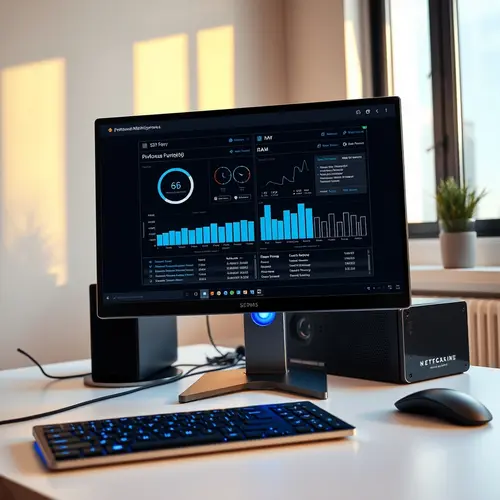
Activity Monitor is your diagnostic dashboard. Launch it from Applications > Utilities to see real-time CPU, Memory, Energy, Disk, and Network usage. Sort processes by Memory to identify applications consuming excessive RAM. Chrome, Slack, and Adobe Creative Cloud are notorious memory hogs. The Memory Pressure graph at the bottom indicates whether your system needs more RAM. If it stays in the yellow or red zone during normal use, consider upgrading your memory or closing unused applications. Disk usage spikes during Time Machine backups or Spotlight indexing are normal and temporary.Mac Faster – Upgrade Hardware for Long-Term Speed
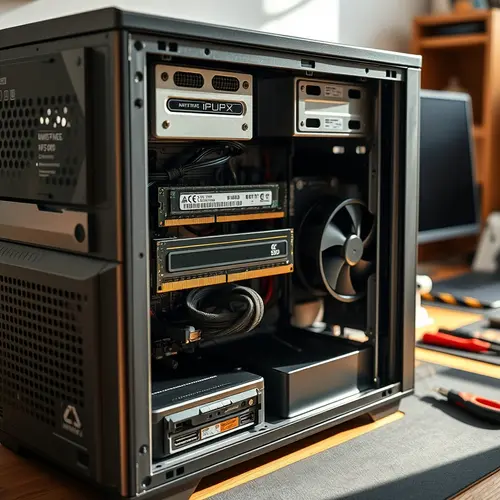
Software optimizations only go so far. If your Mac has a traditional hard drive, upgrading to a solid-state drive (SSD) delivers the single largest performance boost possible. SSDs read and write data 5-10 times faster than mechanical drives, transforming boot times and application launches. RAM upgrades benefit users who run memory-intensive applications like video editors, virtual machines, or dozens of browser tabs. Check Apple’s official specs for your Mac model to determine maximum supported RAM. Installing it yourself on older models is straightforward, though newer Macs have soldered memory that cannot be upgraded.Advanced: Use Terminal for Deep Cleaning
Power users can leverage Terminal commands to Mac faster at a system level. The commandsudo purge forces macOS to clear inactive RAM, though the system normally handles this automatically. More useful is sudo rm -rf /private/var/log/asl/*.asl to delete old system logs.
Rebuilding Spotlight’s index with sudo mdutil -E / resolves search slowdowns caused by corrupted indexes. Disable Spotlight indexing for external drives you don’t search by adding them to the Privacy list in System Preferences.
Expert Opinion: The SSD Upgrade Myth
Many believe any SSD upgrade delivers equal benefits. That’s false. SATA SSDs offer marginal improvements over high-quality hard drives in sustained operations. NVMe SSDs, however, provide 3-5 times the throughput of SATA drives. If you’re upgrading, invest in NVMe-compatible hardware if your Mac supports it. The price difference is negligible compared to the performance gap. Another misconception: maxing out RAM always helps. Beyond a certain threshold—typically 16GB for most users—additional RAM sits unused. Monitor your actual memory pressure before spending money on upgrades you won’t utilize.Maintain Regular Cleaning Habits
One-time optimizations provide temporary relief. Sustainable performance requires regular maintenance. Schedule monthly cache clearing, quarterly storage audits, and annual deep cleans where you reset SMC/NVRAM and reinstall macOS if needed. Automated tools like Onyx or CleanMyMac automate some tasks but aren’t mandatory. Manual methods give you more control and don’t introduce third-party software that itself consumes resources. Create a simple checklist and follow it consistently.Key Takeaways to Mac Faster
- Clear system caches and temporary files monthly to reclaim gigabytes of storage
- Disable unnecessary startup items to reduce boot time by up to 40%
- Turn off visual effects on older Macs to improve UI responsiveness
- Monitor Activity Monitor regularly to identify resource-hogging applications
- Reset SMC and NVRAM when experiencing hardware-related slowdowns
- Upgrade to an SSD for the most dramatic performance improvement
- Keep at least 15% of your storage free for optimal virtual memory performance
Users who make Mac faster regularly keep machines fast.
Users who make Mac faster regularly keep machines fast.
Users who make Mac faster regularly keep machines fast.
Users who make Mac faster regularly keep machines fast.
Users who make Mac faster regularly keep machines fast.
Users who make Mac faster regularly keep machines fast.
Users who make Mac faster regularly keep machines fast.
Users who make Mac faster regularly keep machines fast.
Regular routines to make Mac faster keep boot times short.
Regular routines to make Mac faster keep boot times short.
Related Guides
See also antivirus software critical protection, why computer science most valuable, free remote assistance software.
Why is my Mac slow?
Full disks and login items slow Macs. Free space and trim startups. Restart weekly for best speed.
How much free space is needed?
Keep ten percent free at least. Move large files out. Empty trash after cleanup.
Do cleaners help?
Built-in tools work best for most. Avoid shady apps. Back up before changes.
About the Author